
The Role of Video Marketing: Building Trust and Visibility
Finding ways to stand out often feels overwhelming for small business owners. Customers connect with what they see and hear, which makes video marketing act as a digital salesperson that communicates your story and showcases your offerings authentically. This approach helps you reach and engage audiences worldwide in a way that text and images simply cannot match.
Common Sense Marketing Team
Key Takeaways
Video Marketing Enhances Engagement: Utilizing video content fosters interpersonal connections, making it easier for small businesses to engage with customers authentically.
Diverse Video Formats Serve Unique Purposes: Different video types, such as testimonials and behind-the-scenes content, can build trust, drive sales, and humanize your brand effectively.
Plan for Time and Strategy: Successful video marketing requires clear objectives and a realistic approach to production time to avoid burnout and inconsistency.
Consistency Over Perfection: Posting regular, genuine videos is more impactful than aiming for high production quality; the focus should be on authentic content that resonates with audiences.
Defining Video Marketing for Small Businesses
Video marketing for small businesses is a strategic approach that uses video content to promote your brand, educate customers, and ultimately drive sales. Think of it as hiring a digital salesperson who works 24 hours a day, seven days a week, answering customer questions, showcasing your products or services, and building genuine relationships with your audience. Unlike static images or text alone, videos allow you to communicate your message in a way that feels personal and authentic. For retail and hospitality businesses especially, this matters because customers connect more with what they see and hear than what they read.
The power of video marketing lies in its ability to simplify complexity while building trust simultaneously. When a restaurant owner creates a behind-the-scenes video showing how their kitchen operates or how they source local ingredients, customers see authenticity rather than marketing hype. When a boutique shares customer testimonials on video, shoppers hear real feedback from real people who've already trusted your business. Video content consistently outperforms text because it taps into how humans naturally prefer to consume information. Research shows customers are more likely to make a purchase decision after watching video content compared to reading product descriptions. Videos also answer questions instantly through explainer content that builds credibility without requiring lengthy written explanations.
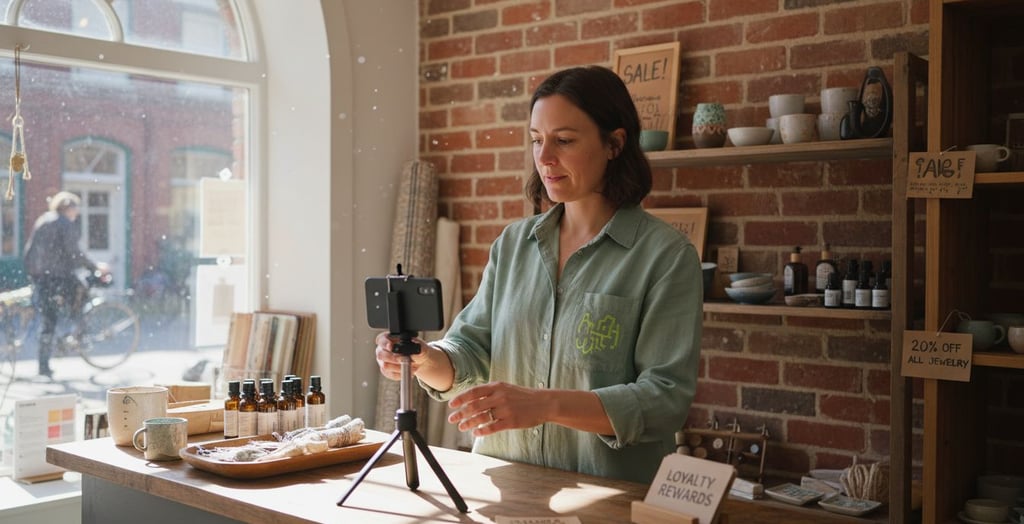
For small business owners in retail and hospitality, video marketing takes many practical forms. Short social media clips showcase daily operations or featured products. Customer testimonial videos prove that real people trust your service. How-to tutorials demonstrate product usage or service value. Behind-the-scenes footage humanizes your business and reveals the work that goes into what you offer. Even a simple video of your team greeting customers or preparing a signature dish creates connection that photos cannot match. The flexibility matters here because you don't need expensive production equipment or professional actors. Your smartphone, natural lighting, and genuine enthusiasm for your business are enough to create compelling video content.
Why does video marketing build visibility specifically? Because algorithms on social media platforms prioritize video content. Platforms like Instagram, Facebook, and TikTok push videos higher in feeds than static images or text posts. This means your video content naturally reaches more people without requiring larger advertising budgets. The visibility extends further when customers share your videos with their networks, multiplying your reach organically. Each share represents a genuine endorsement from someone your potential customers already know and trust.
Pro tip: Start with one type of video that feels natural for your business. If you're a hospitality owner, create a 30-second video of your signature dish being prepared. If you run retail, film a quick customer testimonial. Pick one format and create three videos this month before expanding to other types. Consistency in publishing matters far more than production quality at the beginning.
Top Video Marketing Types in Retail and Hospitality
Not all videos serve the same purpose, and choosing the right format for your message matters more than you might think. Different video types accomplish different goals, whether you're trying to convince someone to visit your restaurant, showcase a product, or build long-term trust with your audience. For retail and hospitality businesses, understanding which video formats work best for your specific needs means you can spend your time and energy on content that actually moves the needle. The good news is that most of these formats require minimal investment to get started.
Customer testimonial videos stand out as one of the most powerful formats because they leverage social proof. When a real customer sits on camera and explains how your product solved their problem or why they loved their experience at your venue, potential customers believe it far more than anything you could say about yourself. A hotel guest discussing their stay, a retail customer raving about the quality of an item they purchased, or a restaurant patron sharing their favorite dish all create authentic connections. Behind-the-scenes footage serves a different purpose by humanizing your business. Show how your team prepares for service, the care that goes into sourcing ingredients, or the work behind the scenes that customers never see. This transparency builds trust because people appreciate knowing the effort and passion behind what they're paying for. Product demonstration videos and explainer content educate customers about features, benefits, and how to use what you offer. A retail store can demonstrate how a piece of furniture functions, while a restaurant can show preparation methods or explain ingredient sourcing. These formats reduce customer hesitation because they answer questions before anyone has to ask.
Virtual tours have become essential for hospitality businesses looking to fill rooms or seats. Virtual tour formats allow potential guests to explore venues before they commit to booking, making them feel more confident about their decision. For hotels, tours showcase rooms, amenities, and common areas. For restaurants, they provide a sense of ambiance and seating experience. Retail stores can use virtual tours to highlight layout, product displays, and the overall shopping atmosphere. Event promotion videos capitalize on seasonal moments or special occasions. Restaurants can showcase holiday menus, retail stores can highlight seasonal collections, and hospitality venues can promote special events or packages. These videos create urgency and excitement. Social media reels and short-form content deserve special attention because they perform exceptionally well on platforms like Instagram, TikTok, and Facebook. These quick clips capture attention within the first two seconds, showcasing your best moments without requiring lengthy watches. A 15 to 30 second reel of your signature drink being made, a clothing item being styled, or a guest enjoying a meal generates far more visibility than longer content on social platforms. Social proof through video storytelling builds both brand awareness and customer confidence because each format works together to show different angles of why customers should trust you.
The key insight here involves matching the video type to your specific business goal. If you want to fill tables or seats, virtual tours and event promotions move people from "maybe interested" to "ready to book." If you want to reduce purchase hesitation in retail, product demos answer objections before they become deal breakers. If you want to build emotional connection, behind-the-scenes footage and testimonials win every time. Most successful small businesses in hospitality and retail use multiple video types across their content calendar rather than relying on just one format. You might post short reels three times weekly for consistent visibility, premiere a customer testimonial once monthly, share behind-the-scenes footage during slower business periods, and create virtual tours only when you have significant seasonal changes or venue updates. This varied approach keeps your content fresh while addressing different customer psychology at different stages of their decision-making journey.
Here is a summary comparing key video formats and platforms for small businesses:
Customer Testimonial: Build trust through peers. Instagram, YouTube
Behind-the-Scenes: Humanize business. Facebook, Instagram
Product Demonstration: Educate and inform buyers. Website, YouTube
Virtual Tour: Inspire bookings/visits. Website, Facebook
Event Promotion: Drive urgent action. Instagram, TikTok
Social Media Reel: Maximize visibility. TikTok, Instagram
Pro tip: Start by identifying your single biggest business challenge right now. If bookings are low, create a virtual tour. If customers hesitate at checkout, film product demos. If you lack social media engagement, commit to three short-form reels weekly. Master one video type before expanding to others, and you'll see better results faster than spreading yourself across all formats at once.
How Video Builds Trust and Drives Engagement
Trust doesn't happen by accident. It builds gradually through consistent, authentic communication that lets people see who you really are. Video accomplishes this more effectively than any other content format because it engages multiple senses at once. When someone watches your video, they're not just reading words on a screen. They're observing your facial expressions, listening to the tone of your voice, and picking up on body language cues that signal whether you're being genuine. These human elements create an immediate sense of connection that text or static images simply cannot match. For a retail boutique owner or restaurant manager, this means customers can assess your authenticity in seconds. A 30 second video of you describing a product or welcoming guests into your space communicates sincerity far better than a written product description ever could.
The brain processes information differently when it comes through video. Video stimulates multiple senses simultaneously, which enhances memory retention and creates stronger emotional connections through storytelling. This isn't just feel good marketing theory. Your customers literally remember video content longer than they remember text. If you're a hospitality business showcasing your venue through video, potential guests retain that visual memory and feel more confident booking because they can picture themselves there. If you're in retail demonstrating how a product works, customers retain that information and experience fewer doubts at checkout. The storytelling aspect matters just as much. When you share a video of how you source your ingredients, how your team prepares for service, or why you started your business, you're not just sharing facts. You're inviting people into your narrative, making them feel like insiders rather than outsiders. That emotional connection is what separates a transaction from a relationship.

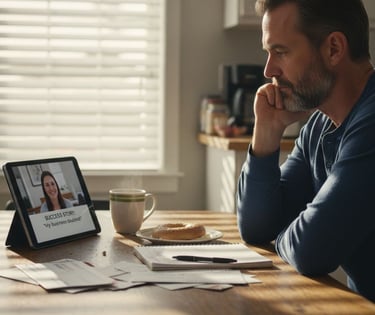
Engagement with video content creates momentum that extends far beyond the initial watch. When your audience engages by liking, commenting, sharing, or watching multiple videos, they're signaling to social media algorithms that your content deserves greater visibility. More visibility means your videos reach people who don't yet know your business, and the cycle continues. But here's what matters most for your specific situation: engagement through video is reciprocal. When someone watches your behind-the-scenes footage or customer testimonial, they're not passively consuming content. Video enables dynamic communication experiences that deepen audience involvement beyond what static content achieves. They're thinking about your business, feeling something about your brand, and forming opinions about whether they trust you. This active mental engagement means they're more likely to take action, whether that's visiting your location, making a purchase, or recommending you to someone they know. The combination of trust and engagement creates the conditions for conversion.
Consider what happens when a potential customer sees your video content versus your competitor's written product description. The video viewer experiences authenticity, remembers more details, and feels emotionally connected. The text reader gets facts but no sense of personality or reliability. Which person is more likely to choose you? The video advantage becomes even clearer when customers share your content with their networks. That share carries social proof, essentially a personal recommendation from someone your potential customers already trust. Their friend didn't just read about your business. They watched a video and felt compelled to share it. That's exponentially more powerful than any advertising message you could create yourself. This is why building trust and driving engagement through video are inseparable. You cannot separate the two because trust creates the emotional foundation that makes people want to engage and share, and engagement amplifies trust by exposing your authentic message to wider audiences.
Pro tip: Record your next customer testimonial or behind-the-scenes moment this week, and publish it within 48 hours while your energy and authenticity are highest. Don't wait for perfect production quality. Your genuine personality and real message matter infinitely more than polished editing.
Practical Uses for Small Retailers and Restaurants
Theory is helpful, but what actually matters is what you can do Monday morning with your smartphone and genuine passion for your business. Video marketing for retailers and restaurants isn't about complicated production. It's about showing what you do, who you are, and why customers should care. For a small retail shop, this might mean filming a 20 second video of your latest arrivals hanging on your rack with you explaining why you selected them. For a restaurant, it could be a quick shot of your signature dish being plated with a brief description of the ingredients. These aren't complicated productions. They're moments of authenticity captured and shared.
For retail businesses, video serves several immediate purposes. Showcase new arrivals by filming items as you unpack them or styling them for display. This creates urgency because customers see fresh inventory before it's even on shelves, and they feel like insiders getting first access. Small retailers leverage behind-the-scenes shop culture videos to build authentic connections without requiring expensive production. Film your team organizing inventory, your personal process for selecting merchandise, or the story behind why you chose certain brands. These moments humanize your business and give customers reasons to prefer you over larger competitors. Customer testimonial videos work especially well in retail because other shoppers trust peer recommendations. Ask a regular customer to explain on camera why they love your store, what they typically purchase, and how you've solved a problem for them. That five minute conversation filmed on your phone carries more weight than any advertisement.
For restaurants, video becomes even more powerful because food is inherently visual and shareable. Restaurants display menu items dynamically and share stories behind the food and chefs through video, creating personal connections with diners and standing out in competitive markets. Film your signature dishes being prepared or plated. Show the care that goes into presentation. Walk your audience through the ingredients and explain why you chose them. A 30 second video of your chef describing the inspiration behind a dish, the sourcing process, or a special technique creates appetite appeal that no static photo achieves. Behind-the-scenes kitchen footage shows the organized chaos of service, the skill your team possesses, and the passion that goes into every plate. Your staff introductions matter equally. When customers see and hear from the people preparing their food, they develop loyalty to individuals, not just a location. A video where your head chef talks about their culinary background or your sous chef shares their story creates emotional investment. Customers return not just for food, but for the people they've connected with through your videos.
Menu update announcements deserve their own mention because they're practical immediate uses. Rather than posting a static image of your new seasonal menu, film yourself walking through it. Highlight three to five signature items, explain what makes them special, and create genuine excitement about visiting. This approach drives foot traffic far more effectively than a printed menu announcement. Staff features work across both retail and hospitality. Every week or two, dedicate a video to one team member. Show them doing what they do best, have them answer a quick question about their role or favorite customer interaction, or simply let their personality shine. Customers remember people. They'll return because they want to see Sarah at the register or Marcus taking their order.
Event announcements and seasonal promotions demand video treatment. Rather than a text announcement about your holiday menu, holiday sale, or special event, show it in action. Film people enjoying your space during the event or enjoying the promoted items. Create anticipation and excitement that motivates immediate action rather than casual interest.
The key across all these applications is consistency and authenticity. You don't need to publish daily. You don't need professional equipment. You need genuine moments shared regularly. Two or three videos per week beats one perfect video per month because your audience stays engaged and social media algorithms favor consistent posting.
Pro tip: Start a simple content calendar where you assign one video type to each day of the week. Monday might be staff spotlights, Wednesday could be new arrivals or menu items, and Friday highlights customer testimonials or behind-the-scenes moments. This removes the pressure of thinking about what to film and ensures you maintain consistent publishing without extra mental energy.
Costs, Risks, and Common Video Pitfalls to Avoid
Video marketing doesn't require a massive budget, but it does require intentional thinking. Many small business owners jump into video hoping that simply creating content will drive results. Then reality hits. Production takes longer than expected. Editing feels overwhelming. Consistency becomes difficult. Results don't materialize quickly. And suddenly video marketing feels like another drain on already stretched resources. The good news is that most of these problems are predictable and preventable. Understanding the real costs, genuine risks, and common mistakes before you start means you can avoid costly missteps and build a sustainable video strategy that actually works.
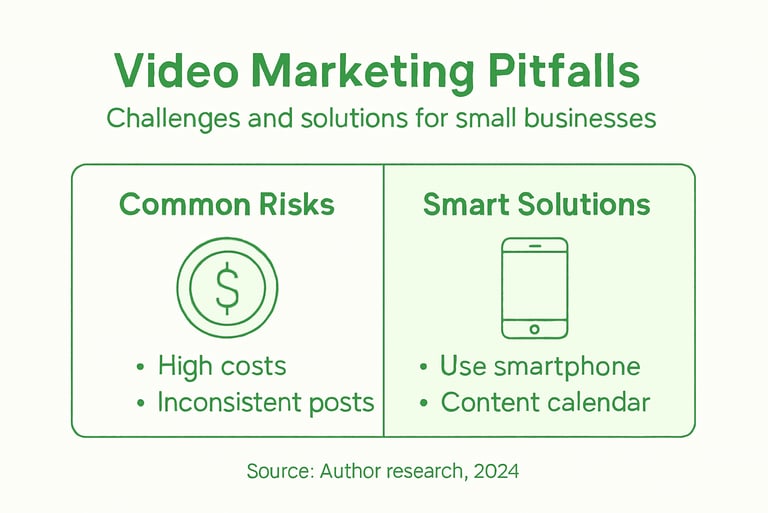
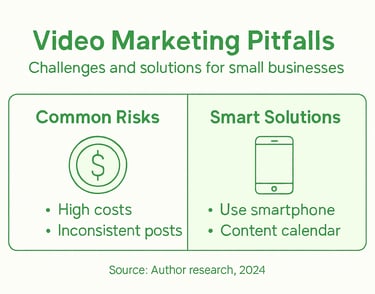
The cost challenge is real but manageable. You don't need expensive cameras or professional studios. Your smartphone records video quality that rivals expensive equipment from just five years ago. However, time is your actual cost. Recording takes 30 minutes. Editing takes another hour or two. Uploading and optimizing for social platforms takes 30 more minutes. That's two to three hours per video before you factor in planning and strategizing. Small businesses face underestimated production and editing time challenges that derail video marketing efforts when expectations don't match reality. Many owners think they'll film and publish a video in an hour. Then they spend four hours on a single video and burn out. The solution isn't to hire expensive video production companies immediately. It's to accurately forecast time, plan your content calendar strategically, and batch your filming so you're not starting from scratch each week. Film five videos in one dedicated session rather than filming one video each week. This reduces setup time, maintains consistent energy and lighting, and dramatically improves your efficiency. If you genuinely cannot carve out the time, then yes, outsourcing becomes necessary. But many small business owners can manage video themselves by planning better, not by spending more.
The strategy risk deserves serious attention. This is where most small retailers and restaurant owners stumble. They create videos without understanding what they're trying to accomplish. One week they film behind-the-scenes content. The next week they chase a trending format they saw another business use. The week after that they create a promotional video that feels pushy. This scattered approach confuses your audience about who you are and what you stand for. Creating content without clear strategy and chasing trends without clarity wastes budget and dilutes brand messaging. Before you film your first video, define what you want videos to accomplish. Are you building trust? Driving foot traffic? Increasing online sales? Showcasing your team? Pick your primary goal, then align all video content toward that goal. This doesn't mean every single video serves that goal, but it means your overall strategy points in one direction.
Consistency risks and quality compromises often happen simultaneously. Some owners publish three videos one week because they're excited, then nothing for three weeks because life got busy. That inconsistency signals to algorithms that your account isn't active. Audiences also struggle to build habits around content they can't predict. Other owners prioritize quantity over quality, publishing poor lighting, shaky footage, or unclear audio thinking that volume matters more than presentation. It doesn't. One well-produced video per week beats seven poorly-produced videos. Your customers see poor quality and assume your business lacks attention to detail. That perception transfers to how they think about your products and services. The solution is building sustainable systems. Don't commit to daily videos if you can't maintain that pace. Commit to three per week if that's realistic for your situation. Use your smartphone's simple editing tools like Capcut or Adobe Express rather than struggling with complex software. Your audience cares about your message and authenticity, not professional color grading.
Expectation management prevents heartbreak. Video marketing doesn't produce overnight results. If you publish your first video Monday and expect sales Wednesday, you'll feel defeated. Video's power comes from consistency over months, not days. You need to give your audience time to discover you, watch multiple videos, build trust, and decide to take action. The businesses that give up on video after two weeks are the ones who didn't understand this timeline from the start.
Use this quick reference for common video marketing risks and effective solutions:
Underestimating time: Inconsistent posting burnout. Batch filming, plan ahead
Lack of clear strategy: Mixed messaging, wasted effort. Set one primary goal upfront
Quality issues: Poor brand perception. Use simple editing tools
Impatient expectations: Early discouragement, quitting. Focus on long-term consistency
Pro tip: Define your one primary goal for video before filming anything. Write it down in one sentence. Then for the next month, film only videos that serve that goal. Once you master consistency with one goal, you can expand. This focused approach prevents scattered effort and helps you see measurable results faster than trying to accomplish everything simultaneously.
Elevate Your Small Business with Trust-Driven Video Marketing
Building trust and increasing visibility through video marketing can feel overwhelming when time, consistency, and strategy become barriers. If you find yourself struggling to create authentic content that truly connects with your audience or unsure how to maintain a steady flow of engaging videos, you are not alone. The article "Role of Video Marketing Building Trust and Visibility" highlights these exact challenges that small retail and hospitality businesses face, such as managing time effectively, developing a focused video strategy, and creating genuine connections that translate into sales.
Imagine having a partner who handles your social media strategy, content creation, and ads designed to build consistent trust and visibility for your business with no contracts or hidden fees. At CSM Team, we specialize in crafting practical video marketing solutions that align perfectly with your goals. Whether you need to boost bookings with virtual tours, start customer testimonial campaigns, or develop short social media reels that spark engagement, we create done-for-you services that make video marketing simple and effective.
Explore how CSM Team can transform your digital presence by delivering content that your customers remember and trust. Start building momentum now with a clear strategy, consistent posting, and authentic videos without the stress of figuring it all out on your own.
Ready to turn your video ideas into real growth? Get started today with practical help from CSM Team.
Frequently Asked Questions
What is video marketing, and how does it benefit small businesses?
Video marketing is a strategy that utilizes video content to promote a brand, educate customers, and drive sales. It benefits small businesses by building personal connections, enhancing visibility on social media, and simplifying complex messages, ultimately leading to increased customer trust and engagement.
How can small businesses effectively use video marketing to build trust with their audience?
Small businesses can build trust through video marketing by sharing customer testimonial videos, showcasing behind-the-scenes footage, and providing product demonstrations. These formats allow potential customers to see authenticity and learn about the quality and care involved in the business, fostering a stronger emotional connection.
What types of video content should small businesses create to keep their audience engaged?
Small businesses should consider creating a variety of video content such as customer testimonials, behind-the-scenes looks, product demonstrations, virtual tours, event promotions, and short social media reels. Each type serves specific goals, like enhancing trust, driving foot traffic, or maximizing visibility across platforms.
How does video marketing impact visibility on social media platforms?
Video marketing significantly impacts visibility because social media algorithms favor video content over static images or text posts. Videos are more likely to be pushed higher in feeds, leading to greater reach and engagement, especially when shared by viewers with their networks.
"They just got it done."
Ryan M.
★★★★★
Ready To Love Social Media?
Join all of the successful brands who've run their social media presence with common sense marketing.
hello@csmteam.ca
PO Box 7 Stn A
Nanaimo, BC V9R5K4
1.833.CSM.TEAM

Insightful Blogs
Post Examples
Client Dashboard
Community Support
Other Stuff
Let's Talk
Fun Stuff